
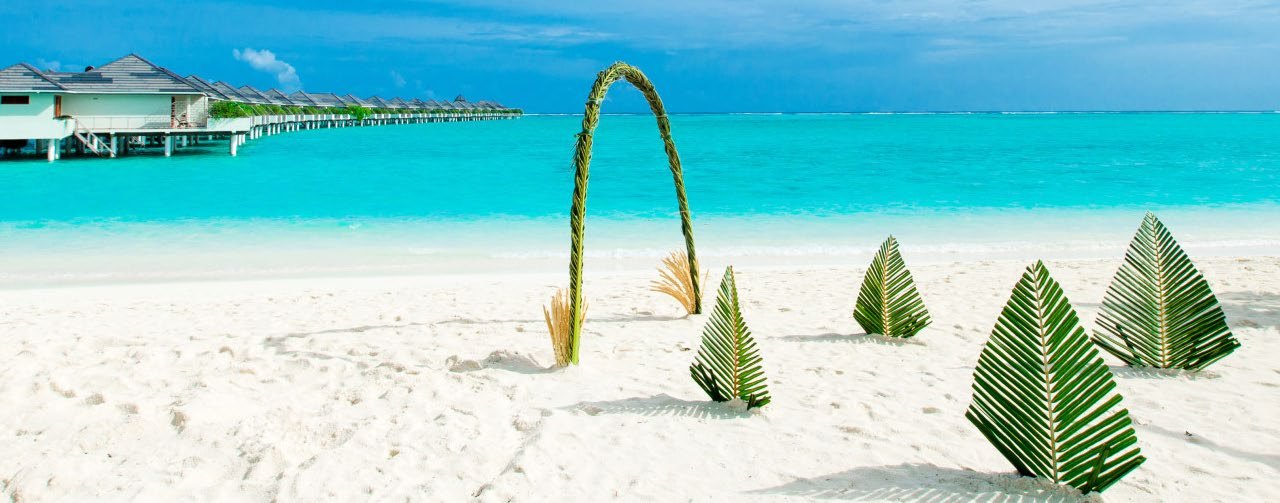
A reef-fringed island does not behave like an open coastline, and designing for one as though it does is the most common way to get shore protection wrong. The reef flat dissipates a large share of the incident wave energy before anything reaches the beach, so the wave height that actually governs design at the shoreline is usually limited by the depth of water over the reef rather than by conditions offshore.
Seasonal reversal complicates the picture. Where the prevailing wind and swell direction changes through the year, so does the direction of sediment transport. A section that performs well through one season can be flanked or undermined in the next if the design has treated the shoreline as a fixed line rather than a moving sediment budget.
That is why shore protection is rarely a matter of selecting a standard cross-section and repeating it around an island. Rock armour, revetment, groynes, geotextile containers and nourishment each answer a different problem. The choice follows from the reef profile, the sediment budget and what the island actually needs the shoreline to do — hold a guest beach, protect a road, or simply stop losing land.
Where intervention is unavoidable, the useful discipline is to do as little as the physics allows. Hard structures fix a shoreline in place, and everything downdrift adjusts to that decision.