
Reclamation looks like an earthmoving problem and behaves like a geotechnical one. The fill is the visible part; the performance of the finished land depends on what happens underneath it and how quickly the works are asked to carry load.
Fill source is the first question. Dredged carbonate sand from a lagoon behaves differently from quarried material, and its grading governs both how the fill settles and how much is lost as fines during placement. A source selected on availability alone tends to be paid for twice.
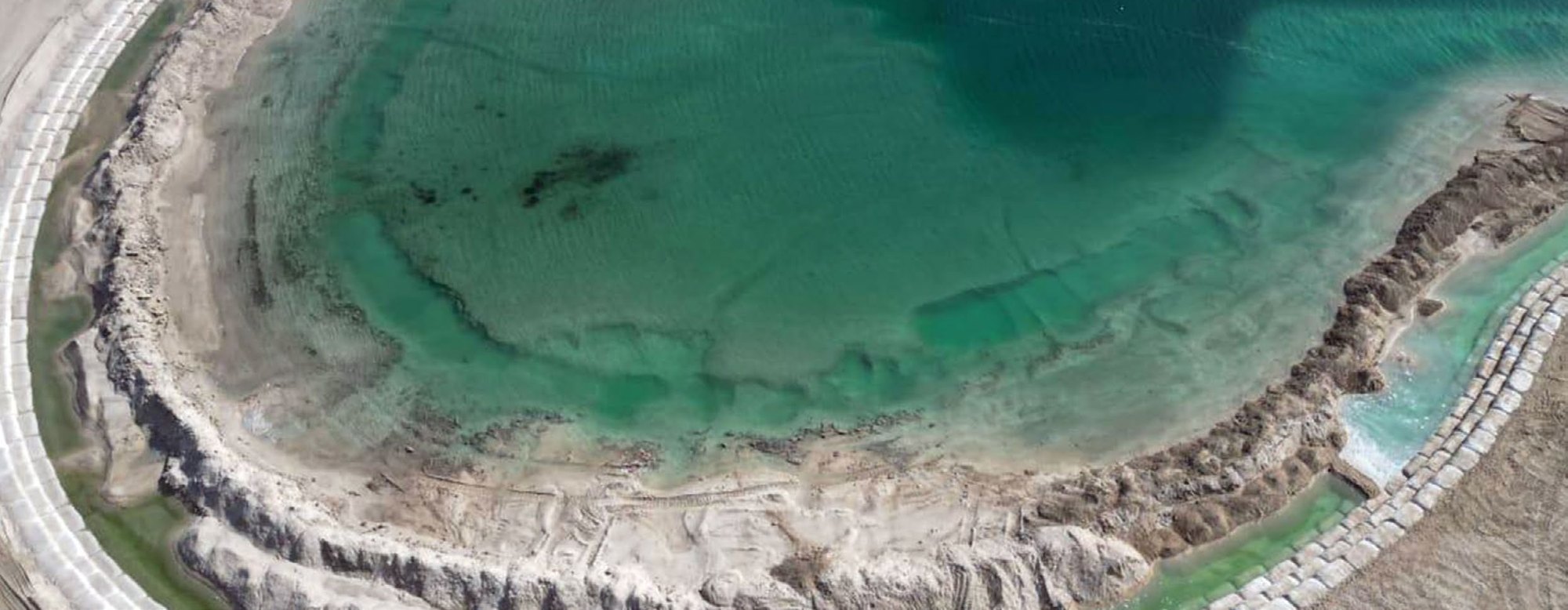
Containment is the second. A bund holds the fill while it is placed and controls turbidity leaving the site, so its design is an environmental control as much as a temporary work. Where the bund is intended to be removed later, that should be decided at the outset rather than discovered at handover.
Settlement is the third, and the one most often compressed by programme. Consolidation takes the time the ground dictates. Where a development wants to build sooner than that, the honest options are ground improvement, surcharge, or a foundation design that accepts the movement — not an optimistic assumption about the ground.